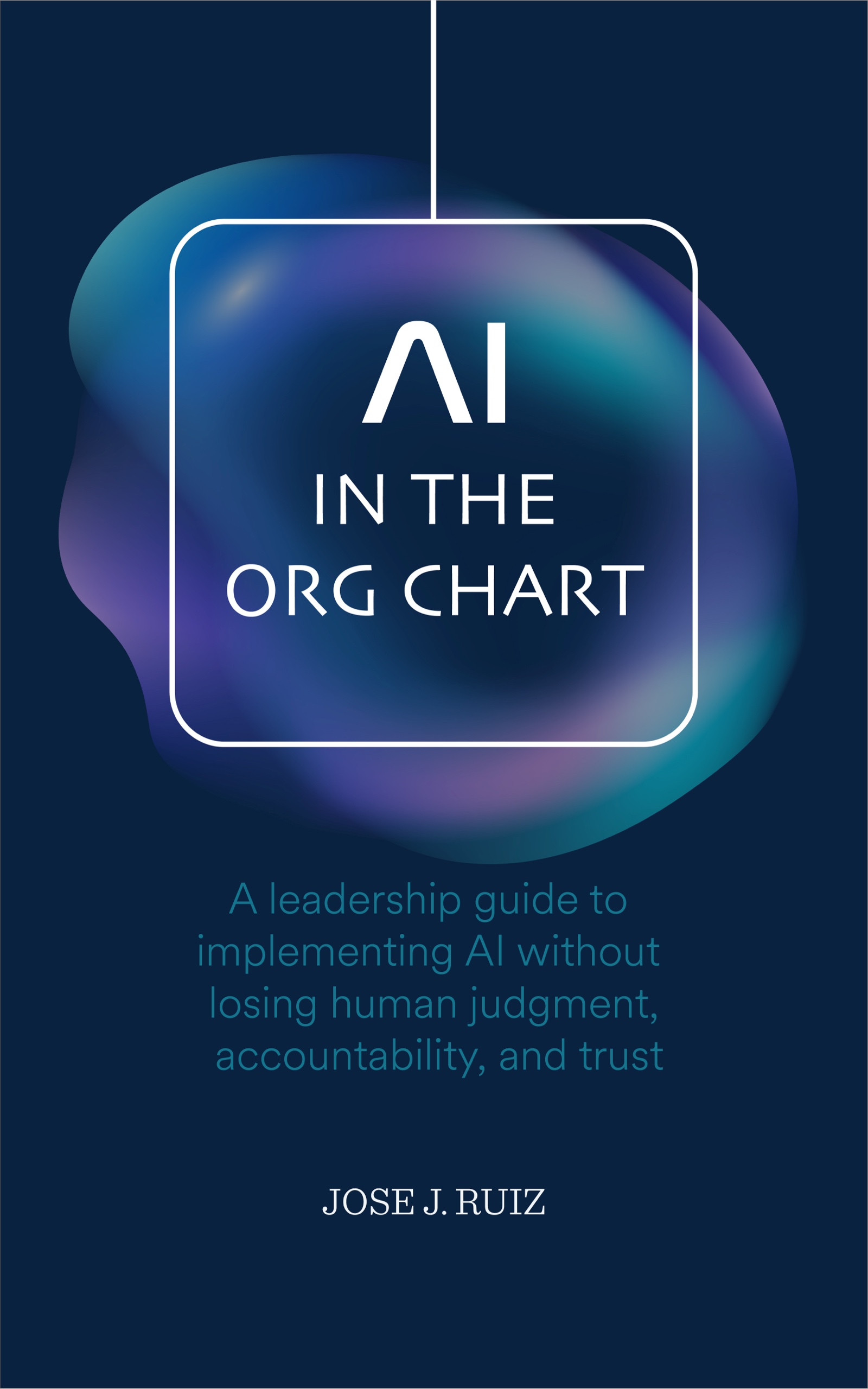
AI in the
Org Chart
AI is changing who decides inside the organization. Most org charts have not caught up. This book is about what leaders have to redesign when judgment moves.
Available now in print and Kindle on Amazon.
AI didn't change the chart.
It changed who actually decides.
When an AI system enters real work — a hiring shortlist, a credit decision, a manufacturing cell, a diagnosis — nobody redraws the org chart. Titles stay. Reporting lines stay. Policies stay.
But the work is no longer the same. A new actor has entered the sequence. The person who used to see the case now sees a ranking. The person who used to frame the options now chooses among options the software has already framed. Consequence keeps flowing to people, while judgment quietly moves to systems that cannot own what the outcome means.
The gap between the chart everyone can see and the one the work now follows is where accountability goes missing.
What leaders now
have to answer for.
AI can move judgment without moving accountability.
An organization can automate analysis, recommendation, and even action while leaving formal accountability exactly where it was. The person who signs still signs. What changed is how much of the decision was already made before it reached them.
Human oversight is meaningless without human authority.
Seeing an AI recommendation is not the same as having the time, the information, and the standing to reject it. A person in the loop who cannot stop the sequence is a witness, not a decision maker.
The org chart no longer shows the whole organization.
Leaders need to know where recommendations form, where people begin to rely on them, and who can interrupt the sequence when the facts do not fit. None of that appears on the chart.
That is what supervision means in a body shop. You are not only watching work happen. You are watching consequence begin.
The book opens on the floor of BMW's Spartanburg plant, where in a 2024 trial a humanoid robot inserted sheet metal parts into fixtures in the body shop. Nothing on the chart changed. The supervisors kept their titles. The operators kept their stations. And the question beneath the work changed anyway: what exactly must the human system now watch?
Read the Prologue →Three ideas from the book.
Each one names something leaders were already noticing without a word for it.
Where the argument keeps going.
Short essays on decisions boards and executives are facing now. A new one most weeks.
Why "human in the loop" is not a governance model.
A phrase that describes an interface, mistaken for a discipline.
EssayThe incomplete org chart.
Why the org chart no longer describes where work actually forms, and what the Second Map has to add.
EssayThe hiring question changed.
"Can AI do this?" is a substitution question. "What does this work require?" is a design question.
Jose J. Ruiz
Jose J. Ruiz is an author, executive advisor, and organizational strategist whose work examines how organizations distribute judgment, authority, and accountability. For more than two decades he has worked with boards and senior executives across the US and Mexico, watching how consequential decisions are actually made and who is left answerable for them.

Other books by Jose J. Ruiz.
-
2025
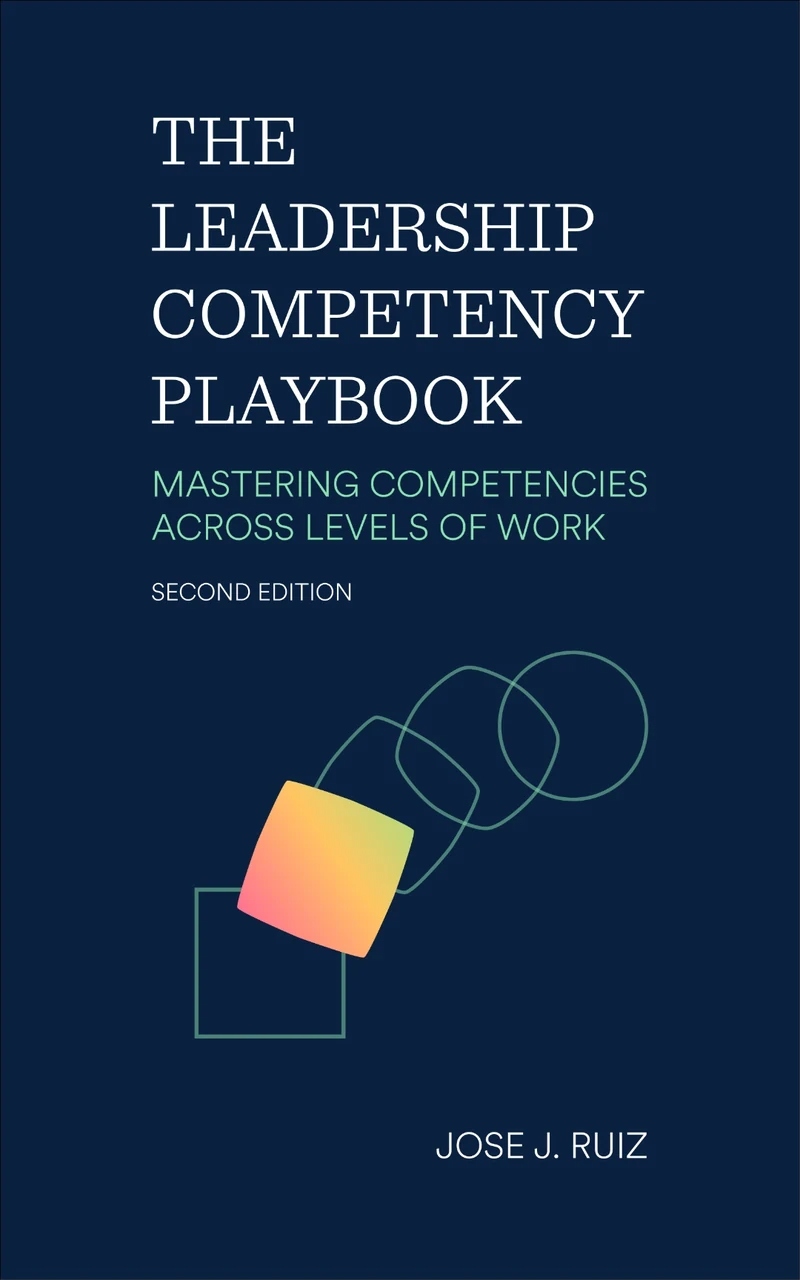
The Leadership Competency Playbook
Mastering Competencies Across Levels of Work
A practical framework to assess and develop leadership competencies aligned with strategy, culture, and the levels of work an executive is expected to perform. Built around the DOES model (Design, Organize, Execute, Sustain), the playbook translates abstract leadership qualities into behavioral indicators, rubrics, interview guides, and development plans — with real-world case studies and integration with assessments like Hogan.
-
2026
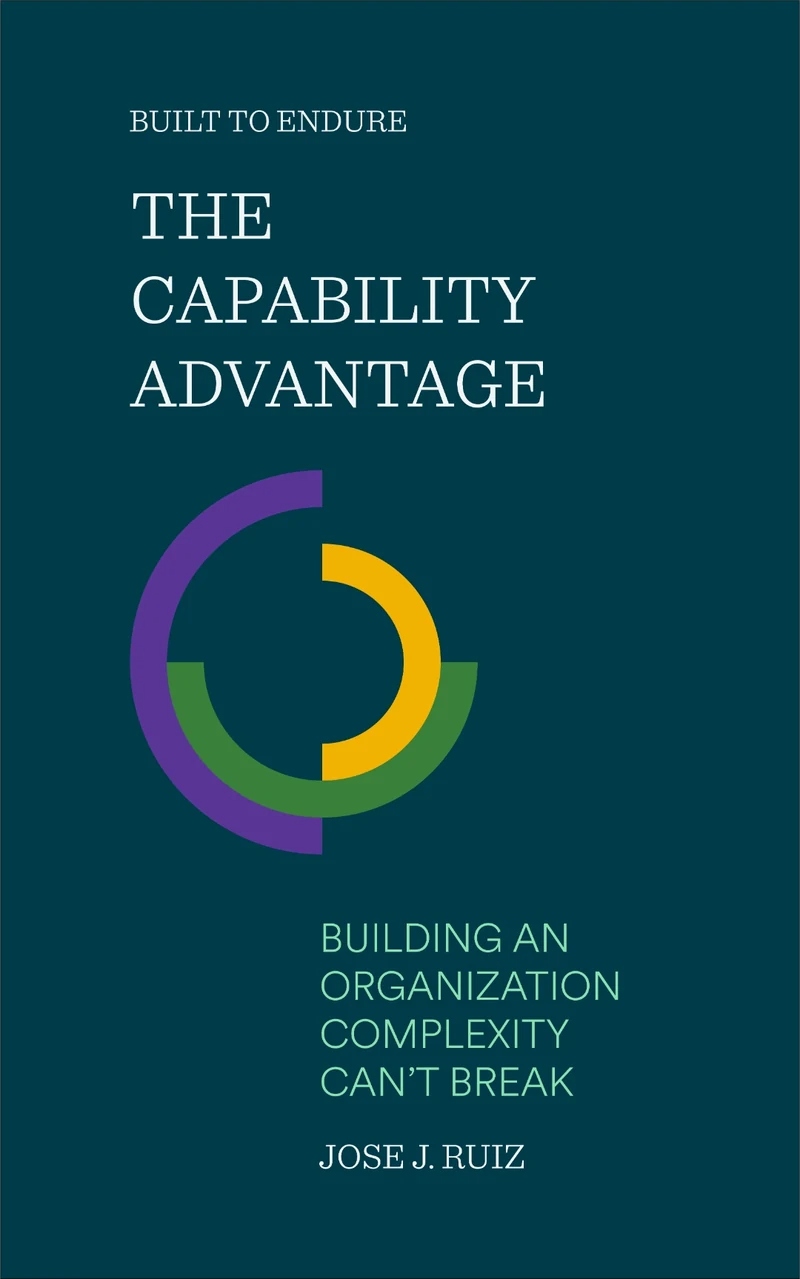
The Capability Advantage
Building an Organization Complexity Can't Break
A practical book about the difference between ability, capability, and capacity — and why organizations that confuse them pay in rework, bottlenecks, and quiet exhaustion. Uses cases like Zoom's 2020 trust reset to show how visible trade-offs and decision discipline build capability that holds under pressure.
-
2026
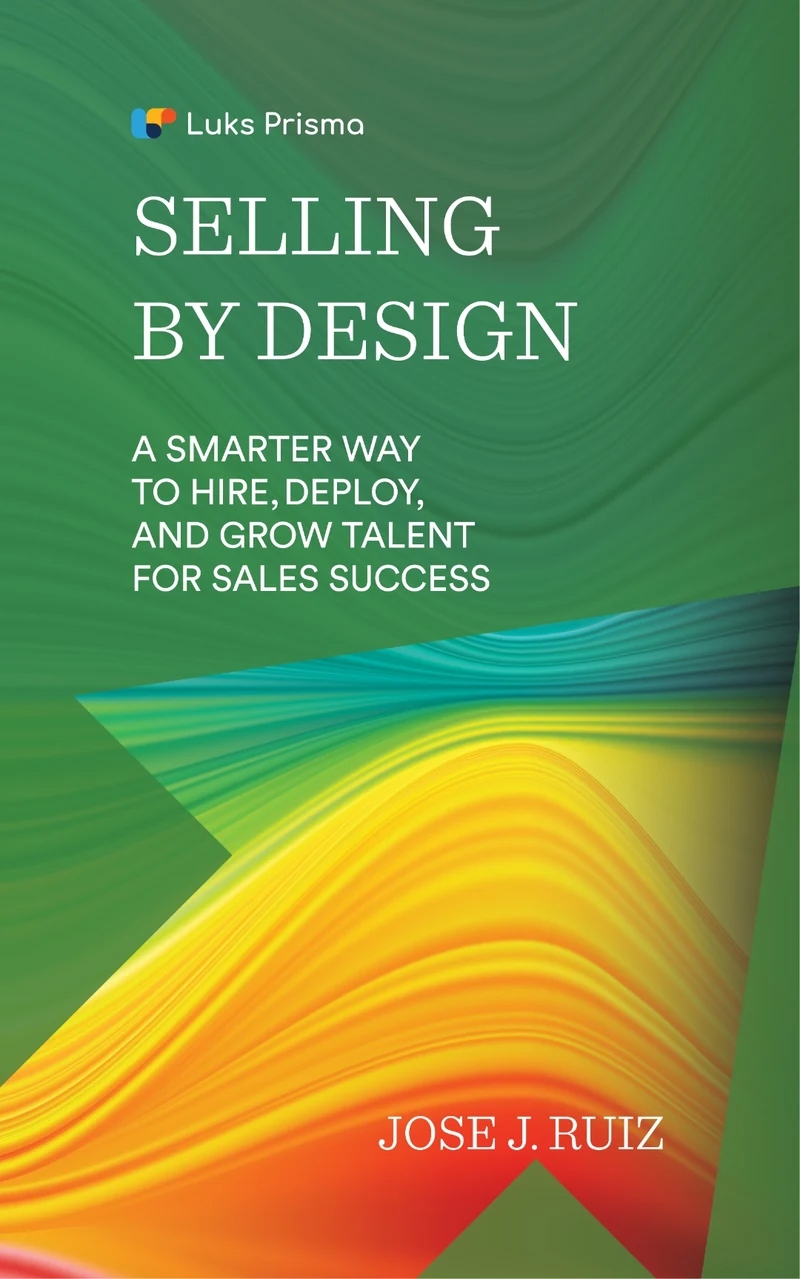
Selling By Design
A Smarter Way to Hire, Deploy, and Grow Talent for Sales Success
Most sales problems come from some combination of role design, hiring, deployment, and development — not raw willpower. Selling By Design is a practical framework for aligning sales talent to revenue strategy using the Luks Prisma model.
Get the book.
AI in the Org Chart: A leadership guide to implementing AI without losing human judgment, accountability, and trust. Available in print and Kindle on Amazon.
Speaking or bulk copies for a board or leadership team? Talk to Jose.